Blog
I write about agent systems, engineering judgement, orchestration, and the future of software development — the thinking behind the orchestration infrastructure I build for AI-native software engineering at Nearfield.ai, including Scope and OS/A. Full essays are published on Substack.
Fable, Fear, and the Model Called Anxiety
I had Anthropic’s Fable model for three days, then it vanished, and my workflow barely noticed. The model matters less than the system around it: the agent, the constraints, and above all the measurement that tells you whether a change actually helped. Build that, and you can swap the model without rebuilding the workflow. The model is replaceable. The workflow shouldn’t be.
An Independent Narrator
Your best writing now reads like AI slop, even when you wrote every word. So I went the other way and let an AI read my old code and PhD back to me: an independent narrator of my own work, kept honest by the one person who could say that is not what I did.
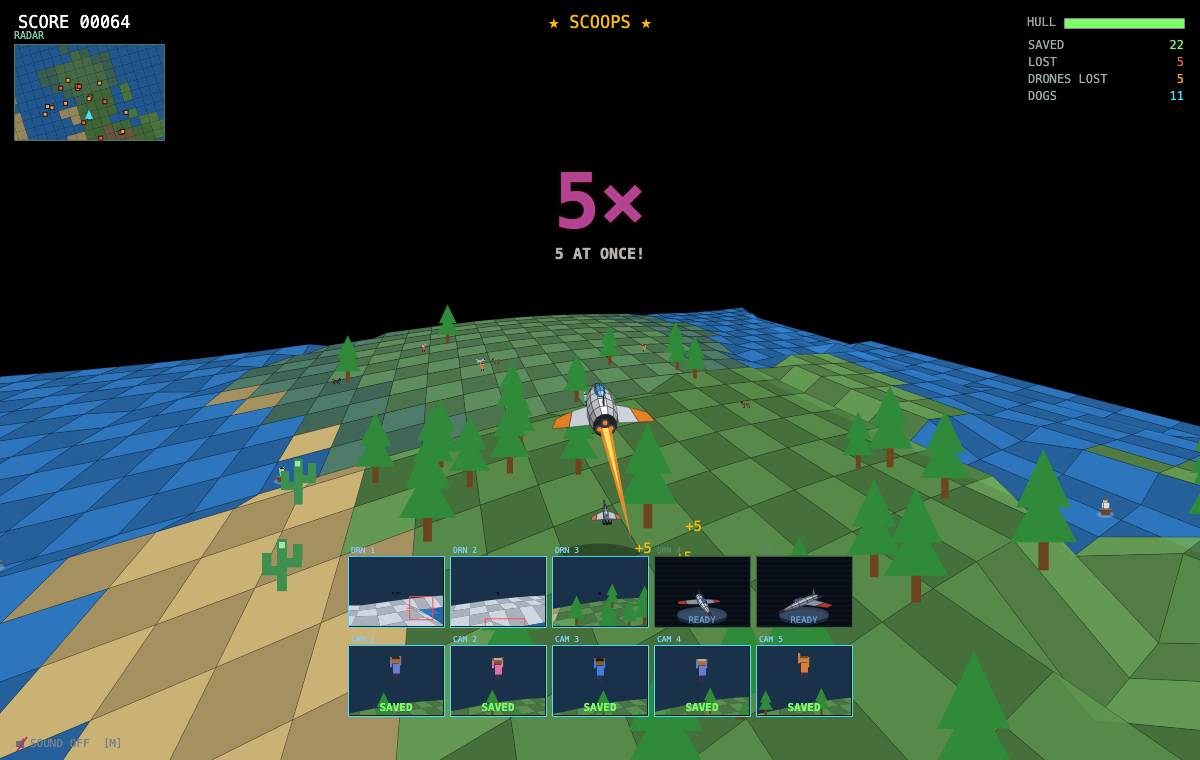
Saving Humanity with Agents
There’s an original 1980s-style rescue game hidden in this very site — an un-fundable idea that exists only because building it cost an evening, not a quarter. The game is just the proof; the real story is the collapsing cost of turning imagination into a real, working thing.
Stop Wasting Time Editing and Start Developing
Endlessly editing what an agent produces is the wrong loop. This essay is about shifting from correcting generated code to actually directing development — spending your time on intent and design rather than line-by-line fixes.
Just Add Imagination
Removing the distance between imagination and execution. When agents handle the mechanics of building, a developer’s imagination — not their typing speed — becomes the constraint that matters.
The Agent State of Mind
The transition to AI-generated software is no longer a tooling problem — it is a mindset problem. Engineers move from producing syntax to defining intent, architecture, and strategic direction.